
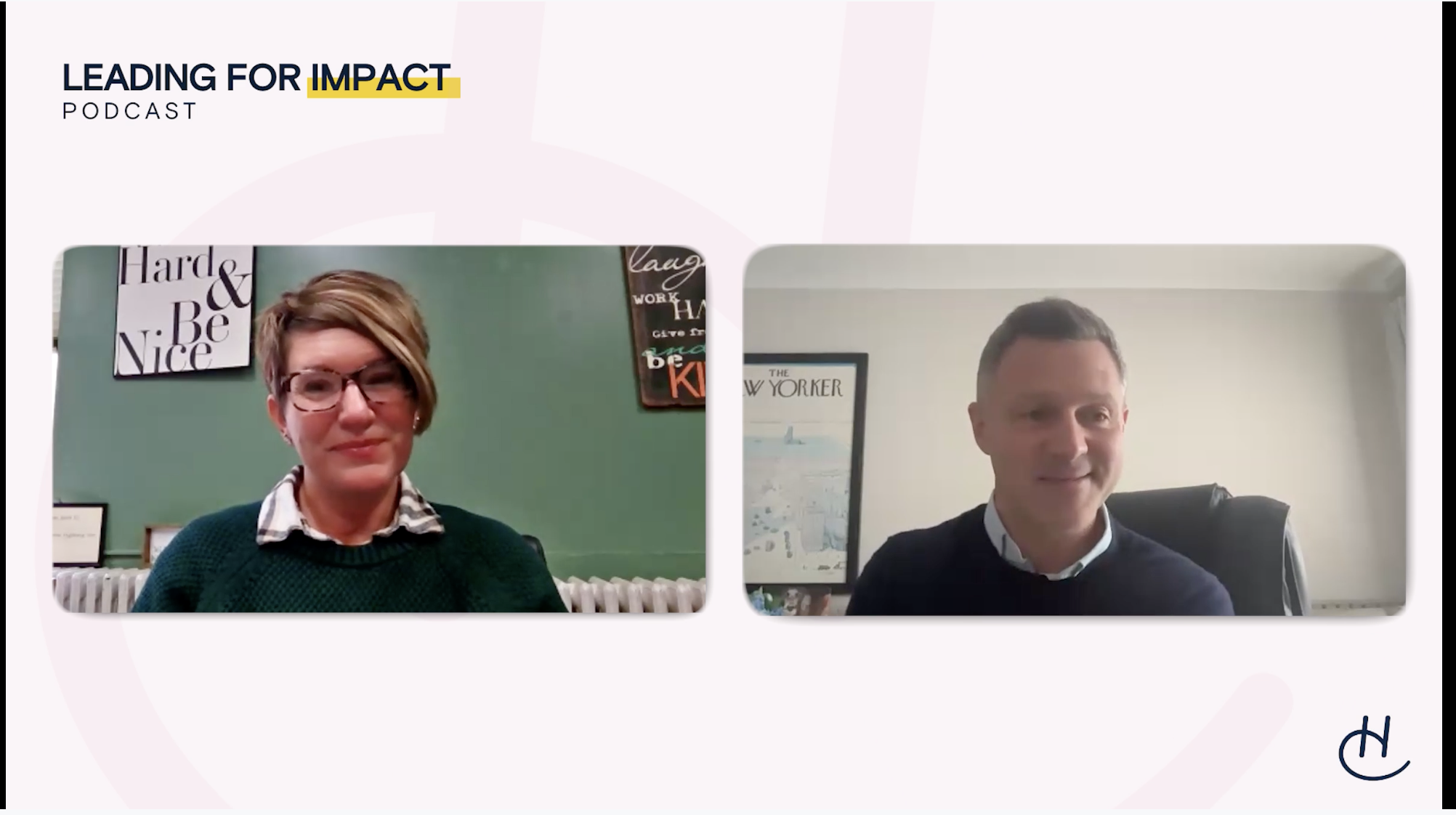
“I Wanted an In-Person Therapist.”: How One Special Education Director Went from Skeptic to Champion of Virtual Services
You’ve probably had some version of these conversations:
💬 "We need more SLPs."
💬 "The posting has been up for months."
💬 "Nobody’s applying. What do we do?"
You’ve raised pay. You’ve offered signing bonuses, stipends, and every incentive in the playbook. You’ve called local colleges and universities. And still, openings sit empty while compliance timelines keep ticking.
That’s exactly where Dr. Kara Anderson found herself at the Director of Special Programs at St. Joseph School District in Missouri. The district needed 28 speech-language pathologists – they had 14. One position had gone unfilled for four years.
And when someone suggested virtual therapy as a solution? Her reaction was the same one many of you would have.
“My Initial Reaction Was: I Want an In-Person Therapist.”
Dr. Anderson doesn’t sugarcoat it. She wasn’t sold on virtual services. Not even close. As a former special education teacher, a former principal, and someone who had watched students go unserved from multiple seats in the building, she wanted what every leader wants: a qualified provider in the room, working with kids face-to-face.
“My initial reaction was, I want an in-person therapist. But I had exhausted all efforts. We had raised pay, we’d provided incentives. We gave a national board stipend, we gave a case management stipend. We’ve done everything that we could to recruit individuals in person and through the contracted companies, and we weren’t getting anywhere.”
But she’d exhausted every lever. They’d done everything they could to recruit in-person providers.
Falling out of compliance wasn’t an option. Sending home letters telling families their child wouldn’t receive mandated therapy wasn’t something she was willing to accept. So she did what strong leaders do when the playbook stops working: she tried something new.
“It’s not going to work, but we need to try something. Not providing services isn’t an option for me, because I didn’t want to put the district at that risk.”
Start Small. Prove the Model. Then Scale.
Dr. Anderson didn’t move the whole district to virtual therapy overnight. She was deliberate and started with the population she felt most confident about—secondary students who had already navigated online learning during COVID and could independently access a computer.
“That’s why we started small, and we started at secondary, because high school students had been through COVID, and many of them had done online learning.”
From there, the partnership expanded. As more in-person providers left, Huddle Up stepped in to fill the gap. The district uses a strategic mix of virtual and in-person speech therapy. Students in grades 3–12 are served through Huddle Up's virtual platform, while the youngest learners — preschool through second grade — and students with more complex needs continue receiving in-person support. This approach ensures every student gets the right level of care, and no caseload goes uncovered.
Convincing Colleagues When “Convincing” Wasn’t Really the Point
One of the most relatable moments Dr. Anderson shares is how she brought principals and staff along. She didn’t pitch virtual therapy as the future of education. She didn’t promise perfection. She stood in front of her building leaders, colleagues who trusted her, and told them the truth.
“I know there are going to be hiccups, I know it’s not going to be perfect, but we need to try something, because not providing those services puts us at risk.”
In-person SLPs were already overwhelmed, carrying unsustainable caseloads. So when Dr. Anderson sat down with them and asked for feedback, they leaned in.
“We talked to them about the virtual therapy, and they felt the same way—we don’t know if it’ll be successful, but we agree, we need to try something. Let’s try it small, let’s see how it goes.”
The Hardest Audience to Win Over: Parents
Parents were not happy at first. They called. They demanded in-person therapists. Some flat-out refused.
“Parents were not happy. They called, and they demanded in-person therapists only, and I said, well, that isn’t an option. We don’t have the individuals, and our obligation as a district is to provide the services, which is what we’re doing.”
And Dr. Anderson’s response? The same honesty she gave her staff. She told families that she understood their concern. She told them she felt the same way. But, the reality is that there are no in-person therapists available and the district had an obligation to provide services.
To help ease parents’ feelings, the district sent letters to families, Huddle Up therapists connected directly with parents to walk them through how sessions would work, and principals helped communicate at the building level. It was a full-court press to prepare families for the transition.
And then something shifted.
The same parents who had been the most vocal started calling back, not to complain, but to apologize.
“Parents who originally were disgusted with our choices started to say, we are sorry that we were so negative at the beginning, because our children love going to therapy and are much more engaged.”
One parent had been one of the hardest to win over. Their child had struggled with a previous in-person provider and demanded a new one.
They, too, had a change of heart.
“That parent was hard to win over, but that kid is the one that sold it. Going home and saying, I have never felt this way about therapy, I feel like I’m making progress. That parent called me and apologized for their behavior.”
That student went on to meet all their goals and was released from services. The parent called Dr. Anderson to thank her for pushing them to give it a chance.
What District Leaders Can Take from This
Dr. Anderson’s story about making tough decisions a lot of many leaders are weighing right now.
You’re managing vacancies, compensatory service backlogs, and compliance risk. You’re probably hearing from principals that their buildings don’t have coverage, and from parents who are frustrated that their child’s minutes aren’t being delivered.
What Dr. Anderson learned is that the resistance to virtual services is real, including her own.
But the resistance fades when the results show up: kids engaging, goals being met, parents calling to say thank you.
“I quit losing sleep over it. It’s seamless. We knew that we were killing off our therapists, so to speak, and we didn’t want that to happen, because they deserve to not be overworked.”
Four years into her partnership with Huddle Up, the model works. In-person providers handle preschool through second grade and students with complex needs. Huddle Up covers grades 3 through 12. And the district delivers services to every student who needs them.
“I’ve been pleasantly surprised with the virtual services that Huddle Up has provided.”
Hear the Full Story
In the full episode of Leading for Impact, Dr. Anderson shares the details behind every objection, every stakeholder conversation, and the moments that turned skeptics into believers, including herself.
👉 Watch Episode 2 of Leading for Impact featuring Dr. Kara Anderson